

Schools – Using The Power of Activism in the Classroom
Inspire the next generation of Changemakers
The Power of Activism is more than a documentary - it is a catalyst for inquiry, critical thinking, and real-world action.
This program invites students to explore how individuals and communities create change, investigate issues that matter to them, and design meaningful actions that make a difference in their own communities.
Through an inquiry-based learning process, students engage with the film, examine real-world examples of activism, and develop their own community action projects.
This approach is particularly well suited to Geography, Economics, Civics and Citizenship, and Social Sciences programs.
The Power of Activism's educational impact strategy is funded by

Why use The Power of Activism in schools?
The documentary provides an engaging starting point for exploring:

How social, environmental and economic issues impact communities
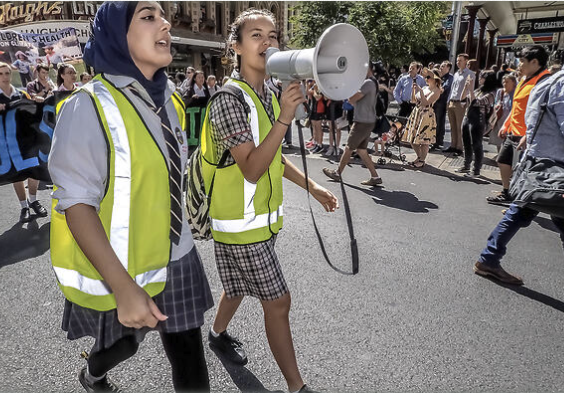
Different forms of activism and social movements

The role of individuals and groups in creating change

The power of informed action in a democratic society
Students move beyond passive viewing to become investigators, researchers, and active participants in shaping their communities.
What teachers are saying
School projects
Your mentor: Michelle Dado-Millynn
DOCUMENTARY MAKER
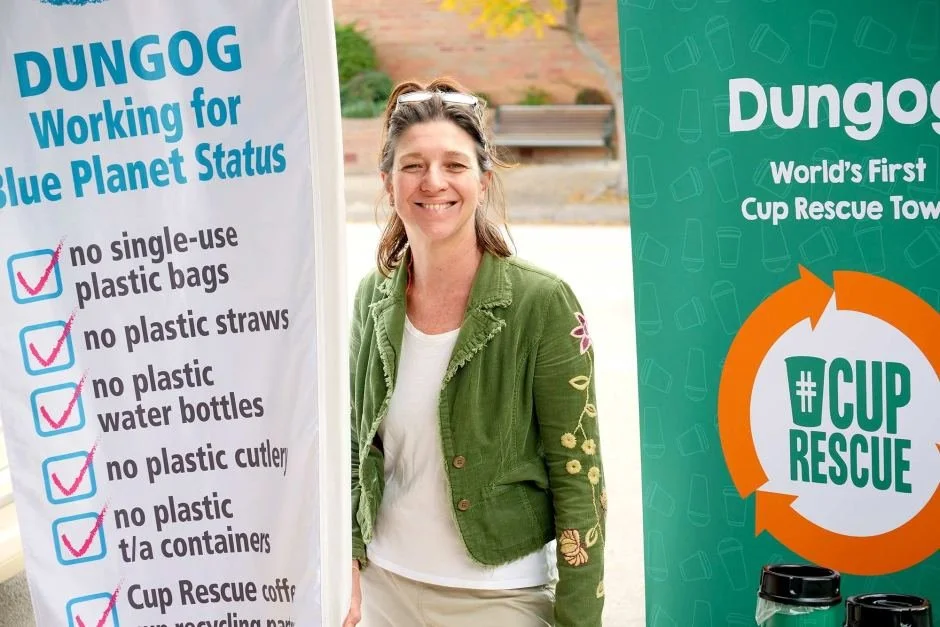
Michelle is available as a mentor throughout the learning process, supporting students in documenting their projects and creating videos to influence social media and public audiences.
Inquiry-Based Learning Framework
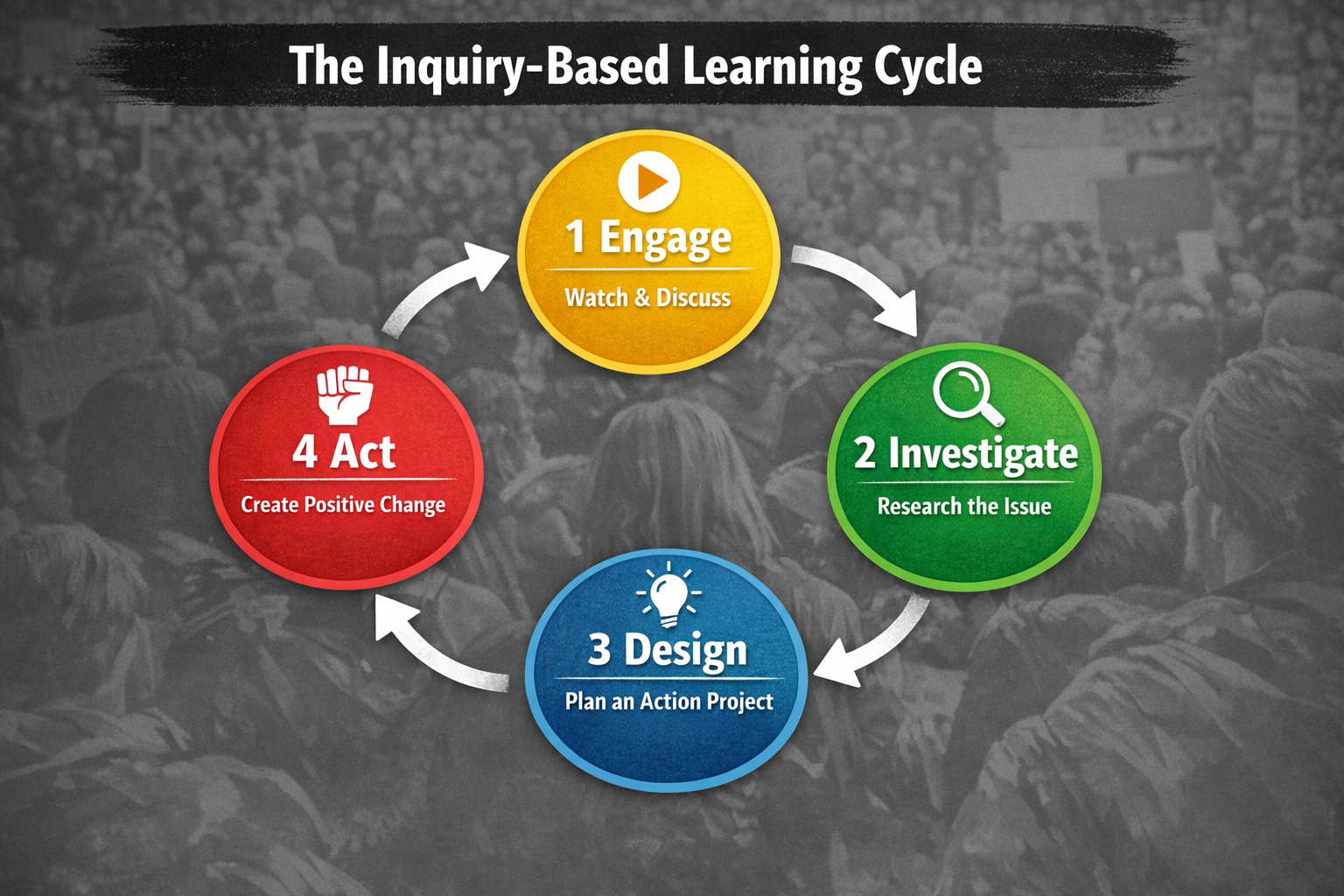
The program follows a four-stage inquiry cycle that supports deep learning and student agency.
Student Action Project Showcase
Explore what other schools have created as participants in this mentor-led,
real world impact program.
Clarence High School
Pocket Forest Project
Halls Head College
Tackling litter and waste
Cooks Hill Campus - Newcastle High School
The students’ initiative is Conservation Critters and this is the Insect Inventory they have produced as part of their Power of Activism Project.
It will be available in and around Newcastle through Council, Landcare, schools, etc for educational purposes.

Curriculum connections

Geography
Students investigate human and environmental challenges, explore spatial patterns and develop solutions to real-world problems.

Economics and Business
Students analyse economic decision-making, social responsibility, and the role of individuals and organisations in shaping economic outcomes.

Civics and Citizenship
Students examine democratic processes, active citizenship, and how individuals and groups influence social change.
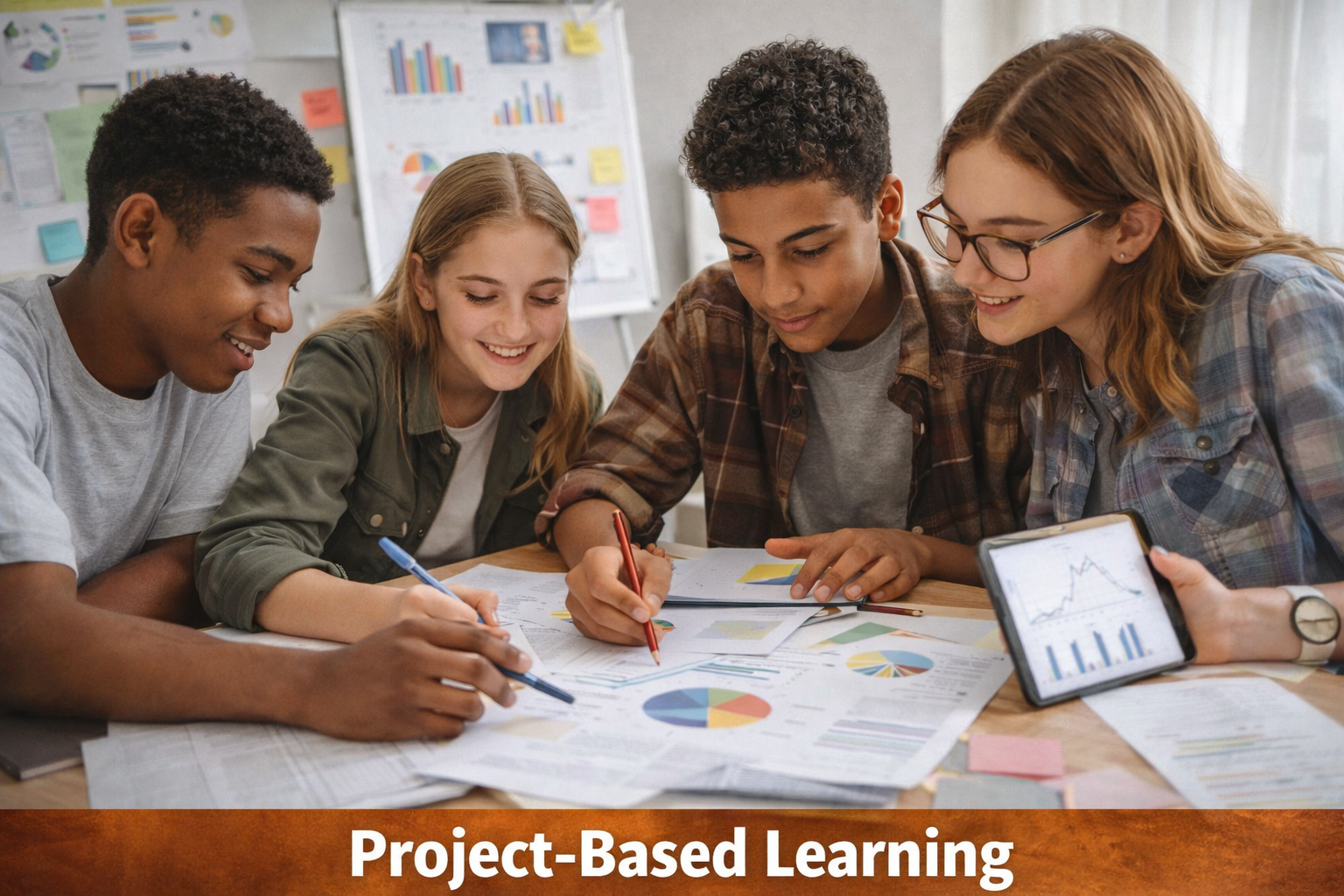
Project-Based Learning
The inquiry model also integrates effectively into cross-curricular project learning and student leadership programs.
Learning outcomes for students
Through participation in the program students develop skills in:
Critical thinking
Research and inquiry
Collaboration and communication
Problem-solving
Ethical decision making
Civic engagement and leadership.
Most importantly, students learn that their ideas and actions matter and can make a difference.
Get in touch
If you would like to use The Power of Activism in your classroom or school program, we would love to hear from you.
Get in touch with us about:
Mentor-led learning programs
Educational access to the full documentary film via a private Vimeo link
Teacher resources and inquiry project materials
Guest speakers or workshops
School or community screening events
Contact us to learn more about bringing this program to your students.